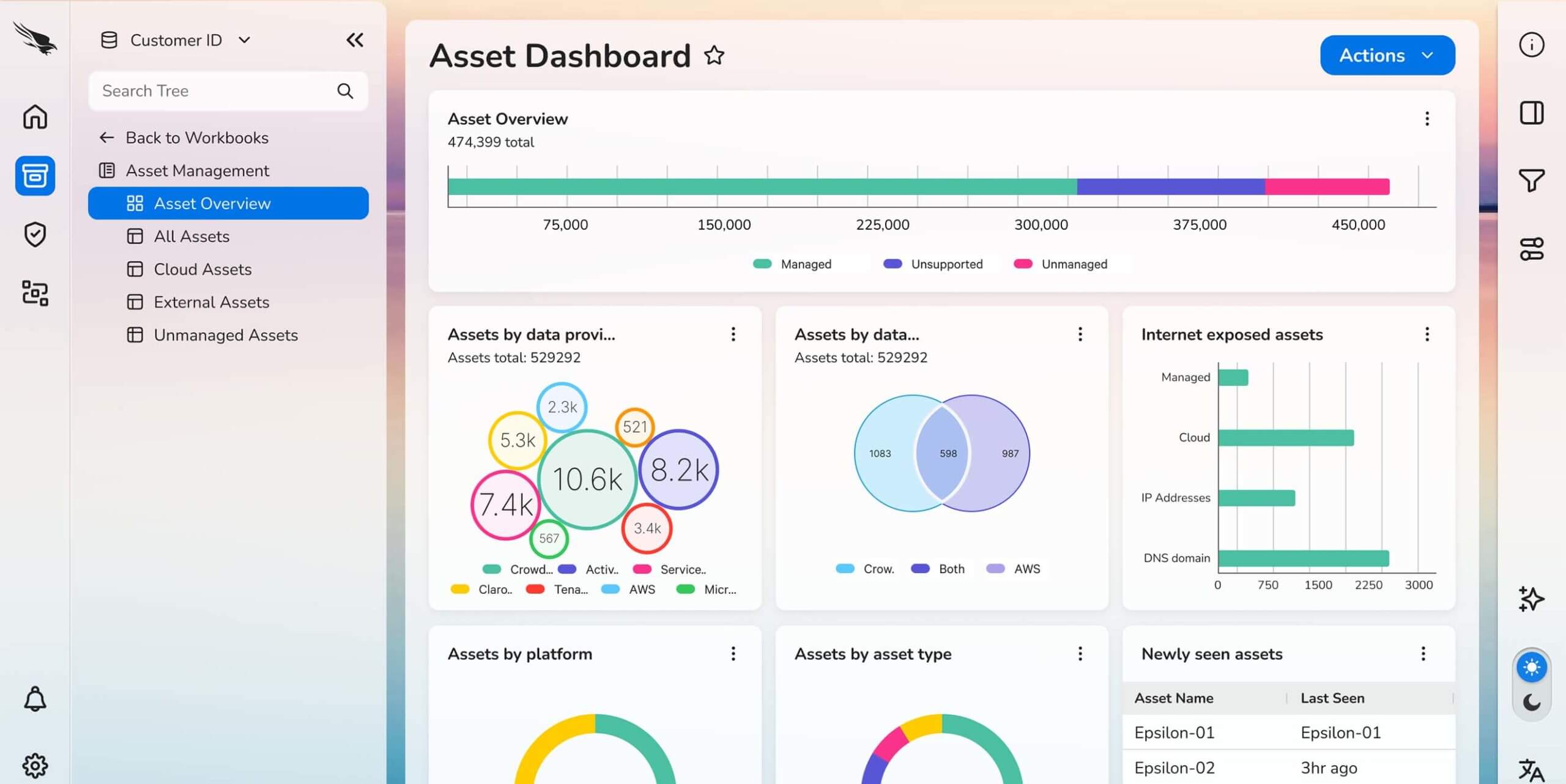
In today’s hyper-connected world, cyber threats are evolving faster than ever. Traditional security tools—largely rule-based and reactive—struggle to keep pace with sophisticated attacks like zero-day exploits, ransomware, and advanced persistent threats. This is where Artificial Intelligence (AI) steps in, transforming cybersecurity from a reactive practice into a proactive, adaptive defense system.
Why Traditional Cybersecurity Isn’t Enough Anymore
Conventional security systems rely on predefined signatures and manual analysis. While effective against known threats, they often fail to detect novel or stealthy attacks. Modern attackers use automation, polymorphic malware, and social engineering to bypass static defenses. As attack surfaces expand with cloud computing, IoT, and remote work, security teams face alert fatigue and skill shortages—creating gaps that attackers exploit.
How AI Strengthens Cybersecurity Defense
1. Real-Time Threat Detection
AI systems analyze massive volumes of network traffic, logs, and user behavior in real time. Using machine learning, they learn what “normal” looks like and quickly flag anomalies—often identifying suspicious activity long before traditional tools raise alarms.
2. Advanced Malware Identification
Unlike signature-based scanners, AI models examine behavior and patterns. This enables them to detect previously unseen malware, including fileless attacks and obfuscated code, significantly improving zero-day threat detection.
3. Automated Incident Response
Speed matters during an attack. AI can automatically isolate compromised systems, block malicious IPs, or revoke access—reducing response time from hours to seconds and minimizing damage.
4. Predictive Security
By analyzing historical attack data and emerging trends, AI can forecast potential threats. This predictive capability helps organizations patch vulnerabilities and strengthen defenses before an attack occurs.
5. Phishing and Social Engineering Defense
AI excels at language and pattern recognition. It can analyze emails, messages, and websites to detect phishing attempts, fake domains, and impersonation—one of the most common entry points for attackers.
Benefits of AI-Driven Cybersecurity
- Scalability: Protects large, complex infrastructures without proportional increases in staff
- Accuracy: Reduces false positives by continuously refining models
- Adaptability: Learns and evolves as attackers change tactics
- Efficiency: Frees security teams to focus on strategy rather than manual triage
Challenges and Considerations
AI is powerful, but not a silver bullet. Poor data quality can lead to inaccurate predictions, and adversaries may attempt to deceive AI models. Transparency, regular model training, and human oversight are essential to ensure reliable outcomes. Ethical use and data privacy must also be carefully managed.
The Future of AI in Cybersecurity
As cyber threats grow more autonomous, defenses must do the same. The future points toward AI-augmented security operations, where humans and intelligent systems collaborate. Explainable AI, stronger threat intelligence sharing, and continuous learning models will further strengthen digital defenses.
Conclusion
AI has become a cornerstone of modern cybersecurity defense. By enabling real-time detection, predictive analysis, and automated response, it empowers organizations to stay ahead of increasingly complex cyber threats. When combined with skilled professionals and sound security practices, AI transforms cybersecurity into a resilient, forward-looking defense strategy—ready for the challenges of tomorrow.